
What is Cryotherapy?
Whole-body Cryotherapy is a cold treatment technique that exposes the body to temperatures between -85°C and -110°C for 3 to 5 minutes.


Muscle recovery is an essential step after physical exertion. So, whether you're a regular athlete or simply active on a daily basis, the observation is the same: your body needs time to repair stressed tissues and regain optimal balance. Fatigue, tension, a feeling of heavy legs, or pain after training are natural signs of this process.
But today, certain techniques can support this recovery phase. Among these, you can consider whole-body cryotherapy. Long used by elite athletes, this controlled exposure to intense cold is now integrated into more accessible wellness and recovery protocols. But how does it affect the body? And why is it particularly appreciated after exercise? CryoBliss explains everything about cryotherapy in muscle recovery.

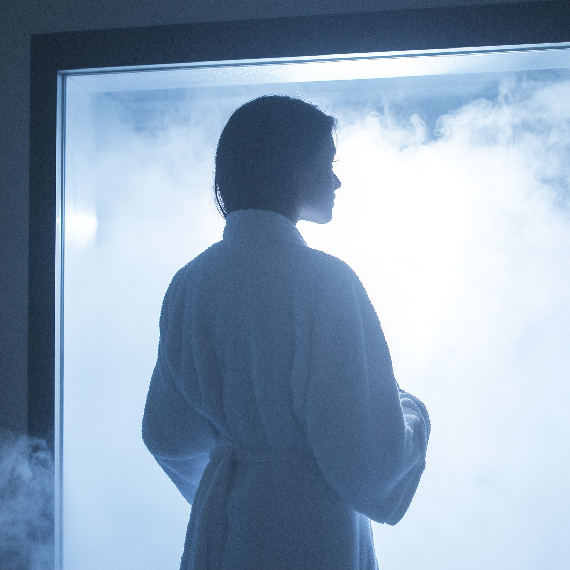
After a workout or intense physical exertion, the muscles are going through a reconstruction phase. Exercise does indeed cause micro-tears in the muscles as well as an accumulation of metabolic waste. These phenomena are normal: they contribute to the body's adaptation and the improvement of performance.
During this phase, The body puts in place several mechanisms to repair muscle fibers and restore balance.. Blood circulation increases to deliver oxygen and nutrients to the tissues under stress. Simultaneously, natural inflammatory processes begin to initiate muscle repair.
It is also During this period, certain sensations well known to athletes may appear. Delayed muscle soreness, stiffness, general fatigue, or heaviness in the legs. These symptoms are temporary, but they can sometimes slow down the return to training.
To support this process, various levers can be used: rest, hydration, stretching, or even certain recovery methods such as cold therapy. So, how can cryotherapy support muscle recovery? CryoBliss explains everything.
Whole-body cryotherapy relies on very brief exposure to intense cold, generally for two to three minutes in a chamber cooled to temperatures as low as -110°C. This thermal stimulation triggers an immediate reaction in the body.
Faced with the cold, the body first triggers rapid vasoconstriction to preserve internal heat. Upon exiting the cabin, A reflex vasodilation occurs which promotes blood circulation. Through this phenomenon, cryotherapy "stimulates" exchanges in the tissues and could thus help support natural recovery mechanisms.
Intense cold also affects the nervous system. It can promote the release of natural substances such as endorphins and noradrenaline, two substances associated with a feeling of well-being and a reduction in the perception of muscle pain.
For many athletes, This stimulation results in a feeling of muscle freshness and improved physical availability in the hours or days following exertion.. Cryotherapy is therefore often used to support phases of intensive training or to promote recovery after a competition.
At your CryoBliss institute, Cryotherapy sessions for muscle recovery are supervised by a trained team and carried out in state-of-the-art electric cabins.. Short, safe and tailored to your profile, they can be considered by all types of sports profiles.
If you would like to discover the potential benefits of cryotherapy to support your muscle recovery, The CryoBliss team welcomes you and offers advice to help you choose sessions tailored to your needs..

Whole-body Cryotherapy is a cold treatment technique that exposes the body to temperatures between -85°C and -110°C for 3 to 5 minutes.
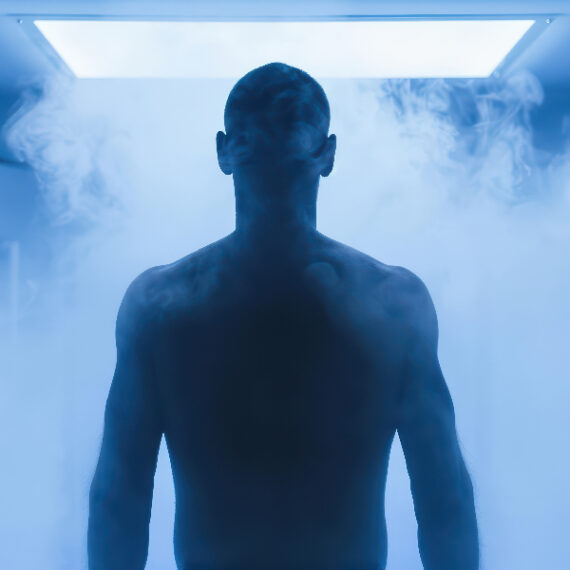
Cryotherapy, a technique that involves exposing the body to extremely low temperatures for a short period of time, is gaining popularity among celebrities and top athletes.
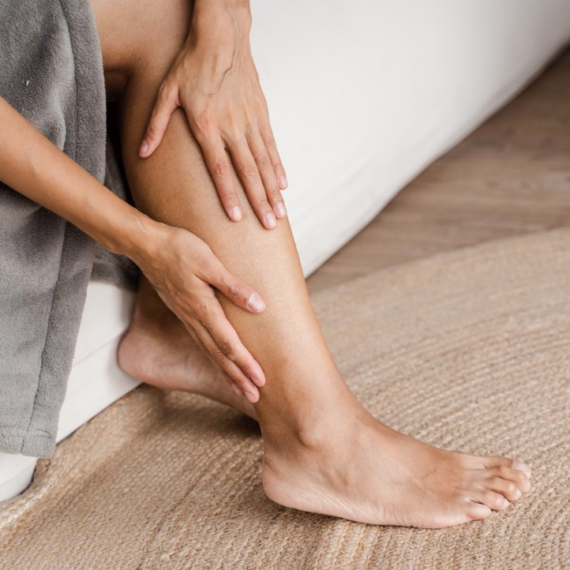
Heavy legs and water retention are common problems that affect many people, especially women.